
Subway Wraps: Menu, Prices, Calories and Honest Verdict
Wraps at Subway have come and gone more than almost any other menu category, which makes them the item people are most often surprised to find — or not find — at their local store. Here's what's actually on offer where wraps exist, what they cost, and whether the tortilla is really the lighter choice it's marketed as.
Are wraps still on the menu?
Subway's wrap offering has gone through more cycles than most other categories on the full menu. They've been introduced as a limited-time item, folded into broader promotions, quietly dropped in some markets, and brought back under different naming more than once. That inconsistency is the single biggest thing to know going in: don't assume a wrap will be available just because it's listed on the national app, and don't assume it's gone just because your local store doesn't carry it. Checking the app for your specific location before you drive over is the most reliable way to confirm.
When wraps are running, they tend to draw from the same protein options used across the Series menu and the classic lineup, rather than introducing entirely new fillings exclusive to the wrap format.
What's in a Subway wrap
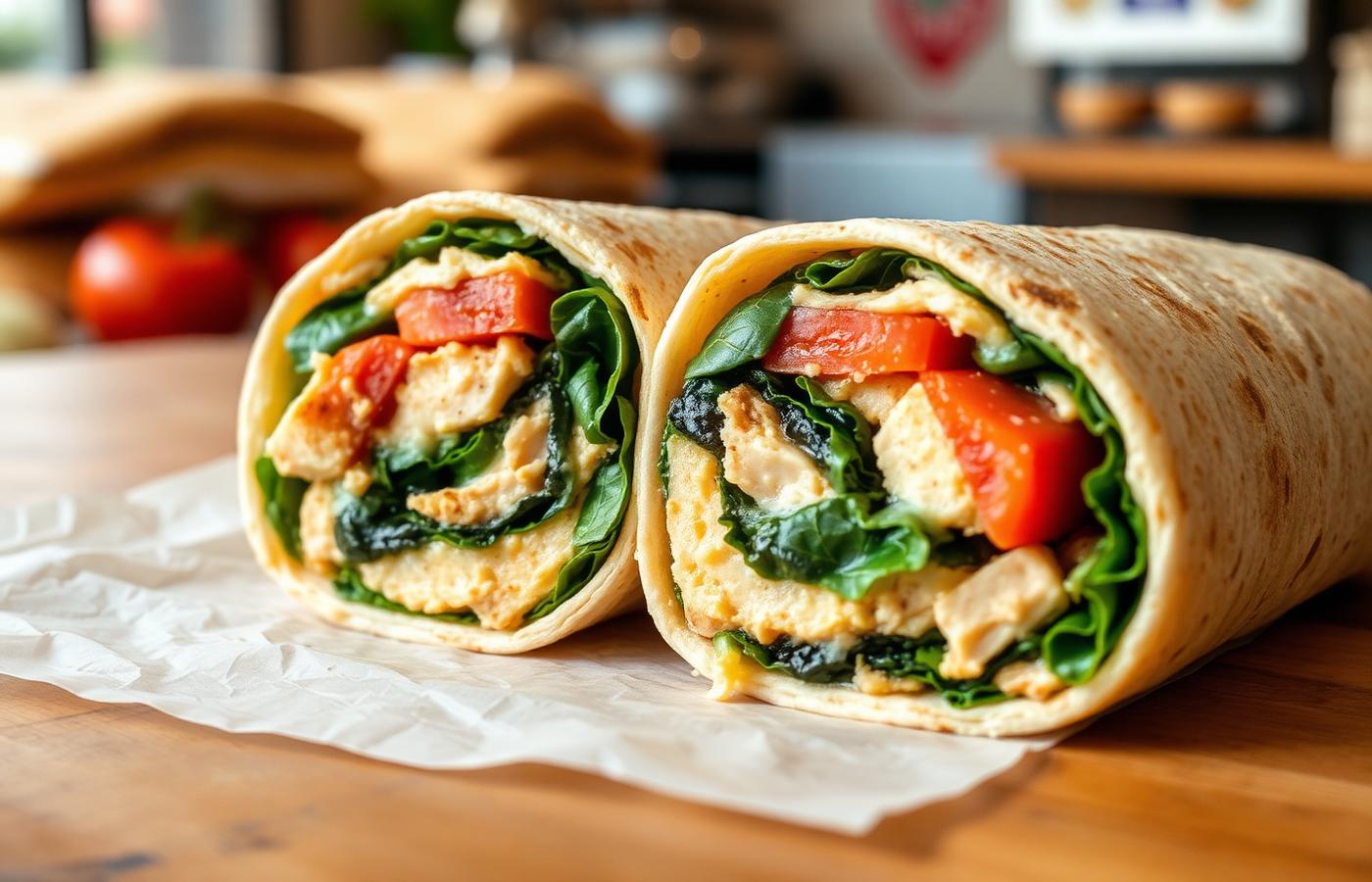
A Subway wrap is built the same way a sandwich is — protein, cheese, vegetables and sauce — rolled into a flour tortilla instead of laid into a roll. The most common versions lean on chicken: grilled or rotisserie-style chicken with bacon, ranch and cheddar is a recurring combination across different wrap pushes, along with a steak and cheese version and a vegetable-forward option for anyone skipping meat.
The tortilla itself is typically a plain flour wrap rather than a flavored or whole-wheat option, which keeps the texture consistent but means there's less variety in the wrapper than there is in the bread lineup for sandwiches.
Prices vs. a sandwich
Where wraps are on the menu, pricing tends to track closely with the equivalent 6-inch sandwich of the same protein, sometimes running slightly higher because the tortilla and assembly are treated as a distinct combo item rather than a straightforward bread swap.
| Wrap | Typical price | Compared to 6-inch |
|---|---|---|
| Veggie wrap | $5.99 – $7.49 | Similar to a 6-inch Veggie Delite |
| Chicken bacon ranch wrap | $7.99 – $9.49 | Slightly above the equivalent 6-inch |
| Steak & cheese wrap | $8.99 – $10.49 | Slightly above the equivalent 6-inch |
| Turkey wrap | $7.49 – $8.99 | Close to the equivalent 6-inch |
As with everything on the menu, these are typical ranges rather than fixed prices — Subway is a franchise system, and each location sets its own pricing, so checking the app or ordering site for your store is the only way to get an exact number.
Calories: tortilla vs. bread
A large flour tortilla is not automatically lighter than a 6-inch portion of Subway bread — depending on size, it can land in a similar 200 to 300 calorie range on its own, before any filling goes in. The calorie difference between a wrap and a sandwich usually comes down to what's inside rather than the wrapper itself, which is worth remembering if you're choosing a wrap specifically to cut calories rather than for the format.
Sauce is the other variable that matters more than people expect. Because a wrap has more interior surface area to coat than a sandwich, a heavy hand with ranch or chipotle southwest can add up fast — see the full sauce-by-sauce calorie breakdown in the sauces guide before assuming the wrap is the lighter order.
If low-carb is the real goal, skip the wrap
A tortilla still carries meaningful carbohydrate. If cutting carbs rather than just avoiding a sandwich shape is the actual goal, a salad or protein bowl gets you there more reliably than a wrap does.
Customizing a wrap
Wraps are built to order at the counter the same way sandwiches are, so you can adjust protein, cheese, vegetables and sauce freely. The practical limit is volume and moisture — a wrap loaded the way you might load a Footlong will tear or fail to fold cleanly, so expect staff to use a somewhat lighter hand on wet toppings like extra tomato or pickles than they would on a sandwich, simply to keep the thing intact until you eat it.
Is a wrap actually the lighter pick?
Mostly no, at least not automatically. The honest case for a wrap is portability and texture — it eats differently than a sandwich, travels a little better in a bag, and suits people who don't want a crusty roll. It's not a reliable calorie-saving swap on its own. If the goal is fewer calories, the lean-protein-and-light-sauce approach covered in the nutrition guide will do more than switching formats, and if the goal is fewer carbs specifically, a salad or bowl beats a wrap outright. The wrap is worth ordering because you like it, not because it's a shortcut to a lighter meal.
Frequently asked questions
Does Subway still sell wraps?
Wrap availability has been inconsistent over the years — Subway has added, dropped and reintroduced wraps as part of different menu pushes, most recently under a Signature Wraps-style lineup. Availability varies significantly by location, so it's worth checking your specific store's app listing rather than assuming a national rollout applies everywhere.
Are Subway wraps healthier than sandwiches?
Not automatically. A flour tortilla is often similar in calories to the bread on a 6-inch sub, and wraps are frequently built with the same or heavier sauce pour, since there's more surface area to coat. If you want fewer calories, choosing a lean protein and lighter sauce matters far more than choosing a wrap over a sandwich.
How much does a Subway wrap cost?
When available, a wrap is typically priced close to a 6-inch sandwich with the same protein — usually within a few cents to about a dollar of it, depending on the filling. Steak and chicken-based wraps sit at the higher end, veggie-based wraps at the lower end. Franchisees set individual pricing, so figures vary by store.
What's the difference between a wrap and a salad at Subway?
A wrap keeps a tortilla as the wrapper for portability, while a salad drops any bread or wrap entirely in favor of a lettuce base. If you're avoiding carbs specifically, a salad is the better choice; if you just want something less bready than a sub but still handheld, a wrap is the closer match.
Can you customize a Subway wrap like a sandwich?
Yes, wraps are typically built to order the same way sandwiches are — you choose protein, cheese, vegetables and sauce at the counter. The main limitation is toppings that are wet or bulky, since a wrap holds less volume before it becomes hard to fold and eat without it falling apart.