Subway Sweet Onion Chicken Teriyaki: Calories, Price, Verdict
Chicken Teriyaki is the sweetest protein option on Subway's regular menu, and it's built differently enough from the other chicken subs that it's worth understanding before you order. Here's the breakdown on price, calories and what pairs well with it.
What's actually in it
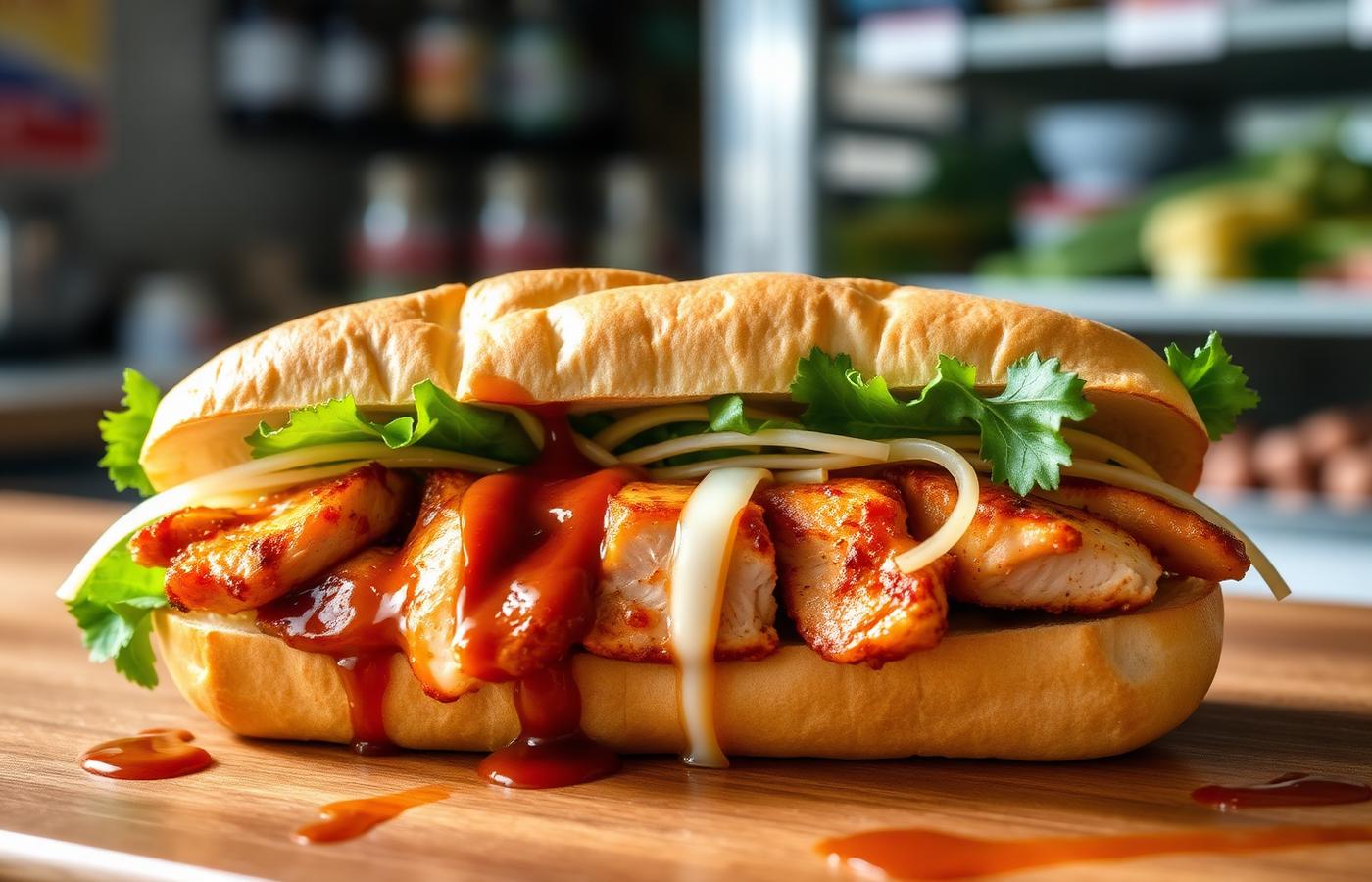
The Chicken Teriyaki sub is built around sliced chicken strips coated in a teriyaki-style glaze — sweet, slightly tangy, and noticeably stickier than the plain grilled or rotisserie-style chicken used elsewhere on the menu. It's usually served warm, either pre-heated before assembly or heated briefly on request, then layered onto your choice of bread with whatever cheese, vegetables and sauces you'd normally add.
It follows the same build-your-own format as the rest of the Subway menu, so the base chicken and glaze are fixed, but everything else about the sandwich is fully customizable at the counter.
Prices
Chicken Teriyaki is priced in the mid-to-upper range of the standard lineup, generally a bit below premium Subway Series sandwiches but above the cheaper cold-cut options. As with everything at Subway, franchisees set their own prices, so these numbers are typical ranges rather than guarantees.
| Item | Typical price | Notes |
|---|---|---|
| 6-inch sub | $7.49 – $8.99 | Standard bread and cheese included |
| Footlong sub | $11.99 – $14.49 | Double the chicken and glaze |
| 6-inch combo | $9.49 – $10.99 | Adds chips and a drink |
| Salad bowl | $8.49 – $9.99 | Chicken over lettuce, no bread |
| Wrap | $7.99 – $9.49 | Same filling in a tortilla instead of bread |
Calories and nutrition
A 6-inch Chicken Teriyaki on Italian bread with standard vegetables typically lands around 370 to 440 calories, which is on the leaner side for the menu, though the sugar content is higher than most other subs because of the glaze itself. It's a reasonably lean protein source, but if you're watching added sugar specifically, this is one of the few sandwiches on the menu where that number is worth checking — see the full nutrition guide for exact figures.
Sodium tends to run moderate to high as well, since teriyaki sauce is soy-based and naturally salty, so it's worth keeping that in mind if you're also adding a salty cheese or sauce on top.
Best toppings and sauces
Because the chicken is already sweet, toppings that add crunch and acidity work better than more sauces stacked on top. Shredded lettuce, cucumbers, red onion and a few banana peppers balance the glaze nicely. Sriracha or a splash of vinegar-based sauce cuts through the sweetness if you want more heat and less sugar overall; ranch and honey mustard tend to push it too far in one direction and make the whole sandwich cloying.
Monterey Cheddar or Provolone both work well without competing with the glaze. Toasting is optional — some people prefer it toasted so the glaze caramelizes slightly against the warm bread, while others prefer it fresh so the sweetness doesn't intensify further.
Ask for the chicken heated
How it compares to other chicken subs
Subway generally offers a couple of chicken options at once, and the difference comes down to flavor profile rather than quality. Rotisserie-style chicken is more neutral and savory, which makes it more flexible with a wider range of sauces, while Chicken Teriyaki is built around one specific sweet-savory flavor and pairs best with the toppings mentioned above rather than being a blank canvas. If you're after something closer to a classic cheesesteak experience instead, the Steak & Cheese is the better comparison point, and if you want a red-sauce option instead of a glaze, the Meatball Marinara is the other direction entirely.
Salad, wrap and kids' options
As a salad bowl, Chicken Teriyaki keeps its full flavor while dropping the bread entirely, which is a solid lighter option since the chicken itself isn't heavily processed. It also works well in a wrap, since the glaze doesn't add much extra moisture the way a wetter filling would, keeping the tortilla from getting soggy. For families, it's a common pick on the kids' meal menu because the sweetness tends to be an easier sell to picky eaters than plainer proteins.
Frequently asked questions
How much is Subway's Chicken Teriyaki sub?
A 6-inch usually runs $7.49 to $8.99 and a Footlong runs $11.99 to $14.49. It sits in the mid-to-upper range of the menu because it uses sliced chicken rather than a cheaper processed filling. Franchisees set their own prices, so treat these as typical ranges rather than an exact quote.
Is Subway's teriyaki chicken sweet?
Yes, noticeably more than most other proteins on the menu. The chicken strips are coated in a teriyaki-style glaze before serving, so it reads sweeter and stickier than the grilled or rotisserie-style chicken used in other sandwiches.
Is the Chicken Teriyaki served hot or cold?
It's typically served warm — the chicken is heated before or during assembly, though some locations will serve it straight from a chilled case during slower periods. If you want it hot, it's reasonable to ask for it to be warmed up before your sandwich is built.
Does Chicken Teriyaki work as a salad or wrap?
Yes, both. As a salad bowl it becomes a lighter, lower-carb option that still keeps the sweet glaze, and it also works well in a wrap since the chicken doesn't add much moisture the way a saucier filling would.
How does it compare to the rotisserie-style chicken?
The teriyaki version is sweeter and stickier, while rotisserie-style chicken is more neutral and savory, closer to a classic deli chicken breast. If you want something you can pair with a wider range of sauces and toppings without clashing flavors, rotisserie-style is the safer base.