Subway MVP Rewards: How the Points Actually Work
Loyalty programs are usually worth less than they look. Subway MVP Rewards is one of the exceptions — not because the earn rate is generous, but because it stacks with coupons and app offers that most people never combine. Here is how the mechanics actually work in 2026.
How Subway MVP Rewards works
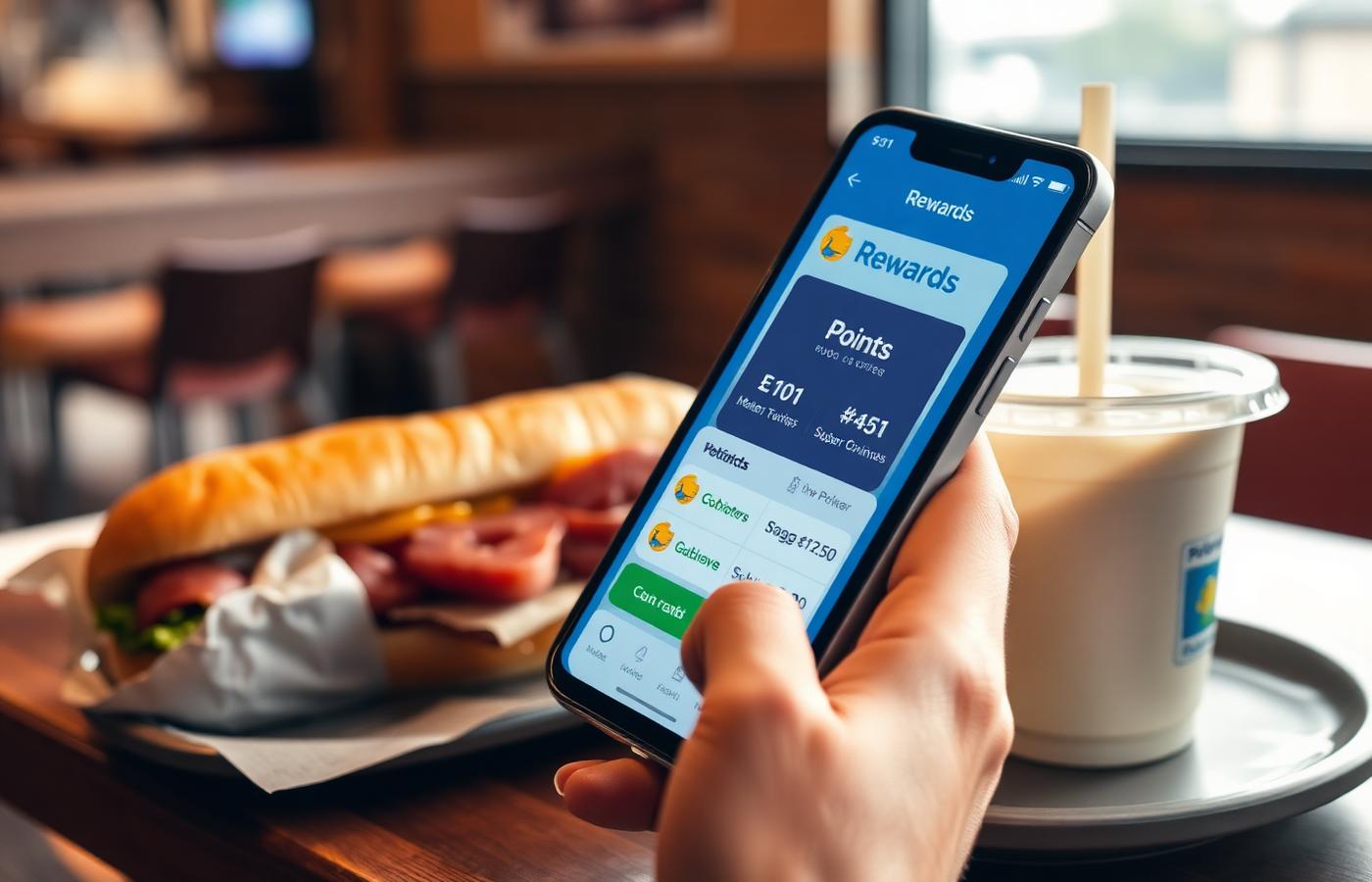
The program is free, lives in the Subway app and on subway.com, and replaced the older MyWay Rewards scheme. You scan or order under your account, you accumulate tokens, and you spend tokens on menu items. On top of that sits a tier system that changes how fast you earn and what extras you are offered.
Two structural details matter more than the headline rate. First, only direct purchases count — in store, on subway.com, or in the app. Delivery marketplaces are excluded entirely. Second, participation is franchise-level, and a small number of independent locations sit outside the program. Both facts are easy to discover the expensive way.
Earning tokens
The baseline is roughly 10 tokens per dollar of qualifying spend, before tax and after any discount is applied. That last clause is the one people miss: using a 50 percent-off coupon halves your token earn as well as your bill.
- Scan every visit, including cash purchases at the counter. Retroactive credit is not reliable.
- Bonus token promotions appear regularly in the offers tab — double or triple tokens on specific items or days. These are worth more than the base rate ever will be.
- Group orders earn on the full ticket. If you are the one paying for the office run, that is a genuinely fast way to climb a tier.
- Catering orders placed under your account usually qualify — see the catering guide for how those are placed.
The three tiers
| Tier | How you reach it | What it adds |
|---|---|---|
| Pro | Entry level on sign-up | Base token earning, birthday reward |
| Captain | Mid-level spend within the period | Faster earning, additional targeted offers |
| All-Star | Highest spend within the period | Top earn rate, surprise rewards, early access |
Tier thresholds are set nationally and have been adjusted since launch, so treat the app's progress bar as the authority. Status is earned within a period rather than held forever; letting a period lapse drops you back down.
Redeeming without wasting value
Token pricing is tiered by item, which creates an obvious optimisation. Redeeming for a cookie or a fountain drink converts your tokens at a much worse rate than redeeming for a Footlong. The temptation is to spend as soon as you cross the lowest threshold; the arithmetic says wait.
Redeem on the expensive thing
Tokens are worth whatever you spend them on. Cashing out on a $2 cookie and cashing out on a $12 Footlong can cost a similar number of tokens relative to the item's value — always check both against your balance before tapping redeem. And redeem before applying a discount coupon, not after, or you burn tokens against an already-reduced price.
Stacking with deals and coupons
The real value of the program is that it runs in parallel with everything else Subway does on price. In practice the order of operations that maximises value looks like this:
- Start from an app offer or promo code — the biggest single discount available that day. The deals guide tracks the recurring ones.
- Check whether the Sub of the Day beats the offer outright. At participating stores it often does.
- Add a bonus-token promotion if one is live, since it does not conflict with a discount.
- Redeem tokens only on full-price, high-value items — typically a Footlong from the Subway Series.
Is it actually worth using?
If you go to Subway once a month, the honest answer is that the program will return a few dollars a year and cost you an app install. The coupons alone would do more for you.
If you go weekly — a commuter lunch habit, say — it compounds properly. A $10 lunch four times a month earns tokens steadily, tier progression accelerates that earn, and the store-specific offers that only appear once you have a favourite location saved are consistently better than the public ones. Over a year that is a real, if unglamorous, discount on food you were buying anyway.
The one group who should definitely enrol: anyone who buys for other people. Office lunches, team meetings and family orders push you into the upper tiers quickly, and the rewards land on your personal account.
Frequently asked questions
How does Subway MVP Rewards work?
You earn tokens on qualifying purchases — broadly 10 tokens per dollar spent — and redeem them for menu items once you cross a threshold. Membership is free, sits inside the Subway app or your subway.com account, and stacks with the coupons and app offers that run alongside it.
How many points do you need for a free sub at Subway?
Redemption thresholds are tiered by item rather than fixed at one number. As a rough guide, small items such as cookies and drinks start in the low hundreds of tokens, and a Footlong sits at the top of the ladder. Around $50 of spending typically buys you a meaningful redemption.
Do Subway rewards points expire?
Yes. Tokens expire if the account goes inactive for an extended period, and unredeemed balances can lapse at the end of an earning period. Because the program has been restructured more than once, check the balance and expiry banner in the app rather than assuming last year's rules apply.
What are the Subway MVP tiers?
Pro, Captain and All-Star. Higher tiers unlock faster earning, surprise offers and birthday rewards. You climb by spending within a calendar period, and tier status resets on a rolling basis rather than being permanent.
Can I earn Subway rewards on DoorDash or Uber Eats?
No. Only purchases made in store, on subway.com or in the Subway app qualify. Third-party marketplace orders earn nothing and cannot be used to redeem — one more reason to order direct.